Blood Group
This test is used to establish a person's specific blood group (type). Your blood group is important to know, as receiving blood from the wrong group can be life threatening.
- 1 biomarkers
- Results in 3–8 days

This test is used to establish a person's specific blood group (type). Your blood group is important to know, as receiving blood from the wrong group can be life threatening.
This test gives 10 key readings to help assess blood health and immunity. Readings include red blood cells, white blood cells, and platelets.
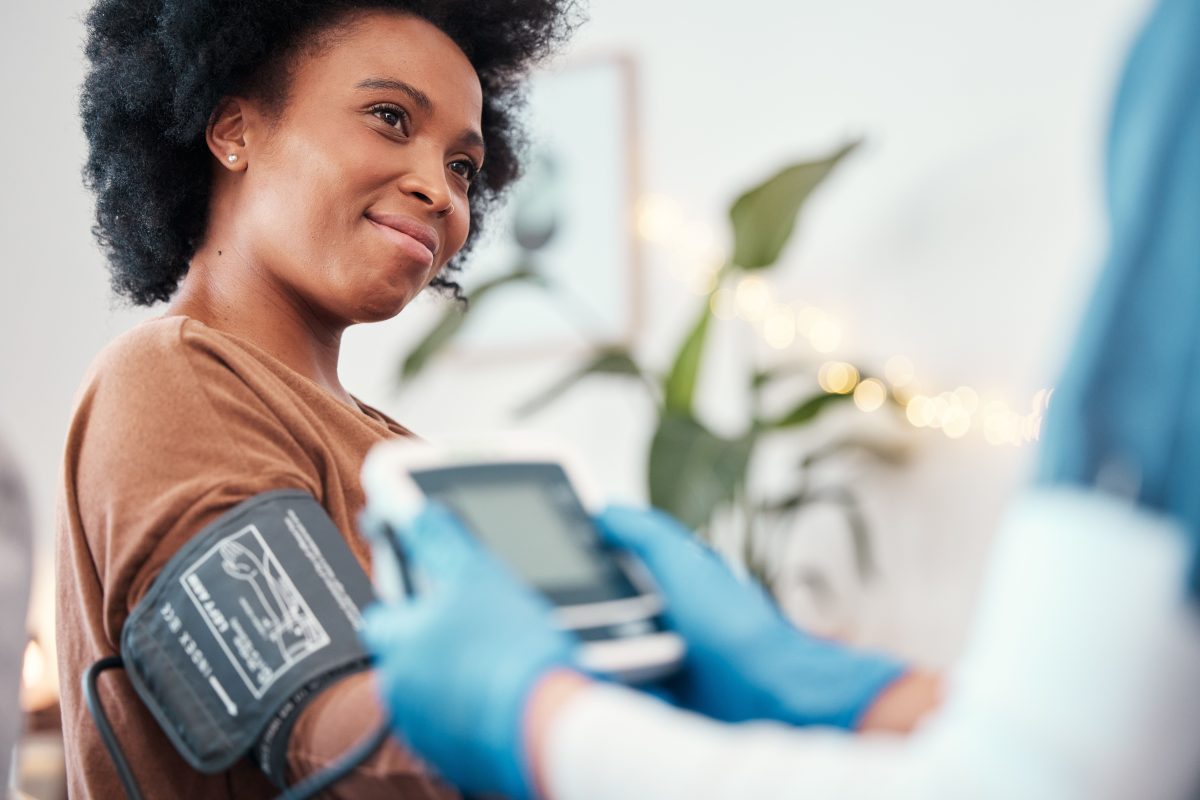
This test uses an arm cuff attached to a monitor to give the blood pressure result. Systolic and diastolic measurements are taken, helping identify high or low blood pressure.
This test helps detect traces of human blood in stool. The test uses a self-collection kit with full instructions on how to collect a small stool sample at home.
This test checks for HPV strains which increase cervical cancer risk. The test uses a self-collection vaginal swab kit with instructions on how to collect a sample at home.
This test measures the level of transglutaminase antibody (tTG) in the blood. High tTG levels indicate coeliac disease, an autoimmune disorder in which gluten triggers an immune reaction that damages the gut and can affect many parts of the body.
Your Heart and Stroke Complete package is the most comprehensive cardiovascular health package we offer.
As well as all the checks included in the Active package, your Core package also includes a blood health profile worth £85, giving an additional 10 readings covering several conditions which affect the blood.
This test measures five key biomarkers to assess brain and heart health, identifying risks related to inflammation, cognitive function, thyroid balance and cardiovascular performance for a comprehensive wellness overview.
Your Core Vitamins Profile includes essential tests designed to check for common nutrient deficiencies that can affect energy levels, immunity, mood and overall long-term health.
This test uses a 6-lead ECG test to check the rhythm of the heart. An accredited Cardiac Data Analyst will then review the trace (the image of the heartbeat over a period of time).
This test examines three markers in your blood - HA, PIIINP and TIMP-1. The results are combined into a score which correlates with the risk of liver fibrosis (scarring).