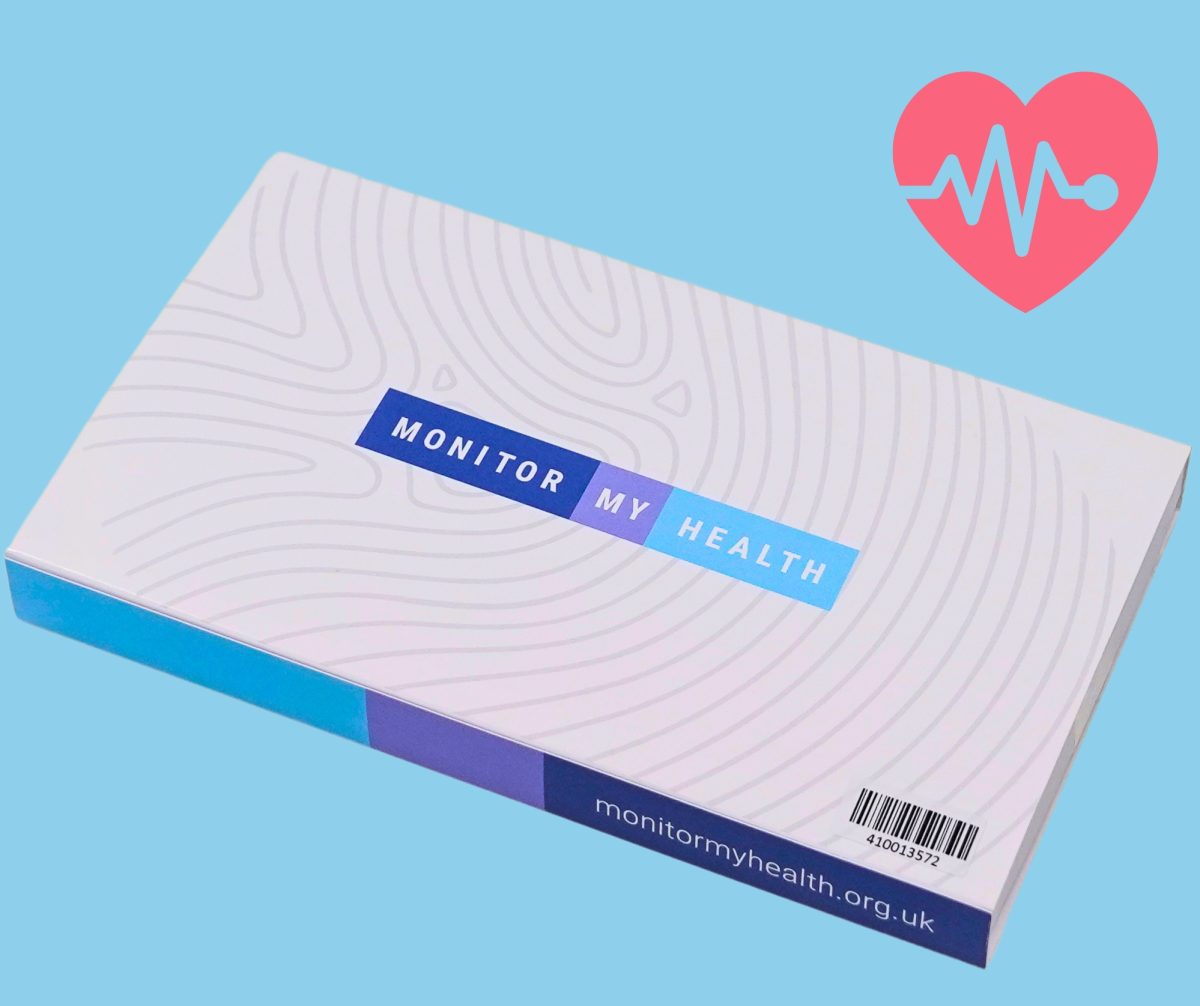
This test uses a 6-lead ECG test to check the rhythm of the heart. An accredited Cardiac Data Analyst will then review the trace (the image of the heartbeat over a period of time).
An ECG Test is a common heart test that records the heart's rate, rhythm and electrical activity. Also known as an electrocardiogram, ECG testing helps to identify any abnormalities within the heart's electrical signals and what this means for your overall health.
Our private 6 lead ECG test is a quick, easy and accurate way to monitor your heart health by measuring your heart's rate and rhythm. The ECG heart test can be carried out as part of our full body health check packages.
Explore our packages and book online today.
What is an ECG Test?
One of the simplest ways to discover more about the health of your heart is through taking an ECG Test. A 6 lead ECG Test gives you a better picture of the way your heart functions. The regularity and rate of heartbeats and signs of damage to the heart structure can all be determined through a non-invasive ECG Test. An ECG test within the normal range indicates a steady and consistent heart rhythm, indicating the absence of irregularities. However, abnormalities detected during an ECG test can signal potential issues with heart function and overall health.
6 lead ECG's are especially valuable in identifying heart rhythm abnormalities such as atrial fibrillation which is a significant risk factor in developing a stroke. The information provided by 6-lead ECGs, allows us to screen for an initial problem and then advise individuals to visit their doctor for a fully diagnostic 12-lead ECG when necessary.
Why take an ECG Test?
If you are worried about your heart health, an ECG test can provide reassurance or identify potential issues. While regular ECG testing is beneficial for everyone, certain symptoms may warrant urgent attention. If you experience any of the following symptoms regularly, it is recommended to undergo an ECG test:
- Heart palpitations
- Shortness of breath
- Feeling faint
- Dizziness
- Chest pain
In addition, certain factors put individuals at a higher risk of developing heart conditions. These can be related to diet, lifestyle and even down to genetics. Should these factors resonate with you, your ECG Test results could help you make better dietary and lifestyle choices.
You may be at increased risk of heart issues if you:
- Smoke
- Drink alcohol frequently
- Eat an unhealthy diet
- Are overweight or obese
- Do not exercise
- Have a family history of heart conditions
- Have diabetes
- Have high cholesterol
- Are hypertensive (high blood pressure)
Description provided by Bluecrest Wellness.