Sexual Performance Blood Test

Discover possible causes of erectile dysfunction, including low testosterone and high cholesterol, with an easy-to-use at-home blood test.

  • At-home test
  • Doctor reviewed
  • Subscription available
  • Male
Sample
Blood
Collection
At-home finger-prick kit or Tasso+ upper-arm device (+£10)
Results in
3–5 days
Biomarkers
9
Doctor reviewed
Yes
Tests for
  • Cholesterol
  • HDL
  • LDL
  • Triglycerides
  • SHBG
  • Total Testosterone
  • Chol:HDL Ratio
  • FAI
  • Non-HDL Chol

Test specifications

Provider
Numan
Sample type
blood
Collection method
at-home finger-prick kit or Tasso+ upper-arm device (+£10)
Turnaround time
3–5 days
Biomarkers tested
9
At-home test
Yes
Doctor reviewed
Yes
Gender focus
Male

What's tested

9 biomarkers as listed by Numan.

Advanced Lipid Profile (with Apolipoproteins)

  • Cholesterol

Cholesterol (lipid profile)

  • HDL
  • LDL

Cholesterol status

  • Triglycerides

Proteins

  • SHBG

Testosterone

  • Total Testosterone
  • Chol:HDL Ratio
  • FAI
  • Non-HDL Chol

About this test

Deep dive into your health

Discover possible causes of erectile dysfunction, including low testosterone and high cholesterol, with an easy-to-use at-home blood test.

Key insights into possible causes of erectile dysfunction

  • Cholesterol health: High cholesterol levels impact blood flow around the body and can therefore be a contributor to erectile dysfunction. This test will give you a clear picture of your levels.
  • Testosterone levels: Optimal levels of testosterone ensure healthy bodily functions. Lower levels of the hormone can impact libido, sexual function, energy, and mood.
  • Heart disease: Erectile dysfunction can be an early warning sign of coronary heart disease. This test will help you to determine your risk and take action sooner.

Why should I take the Sexual Performance Blood Test?

This test can help to identify possible causes of erectile dysfunction, including low testosterone and high cholesterol.

Description provided by Numan.

View all →

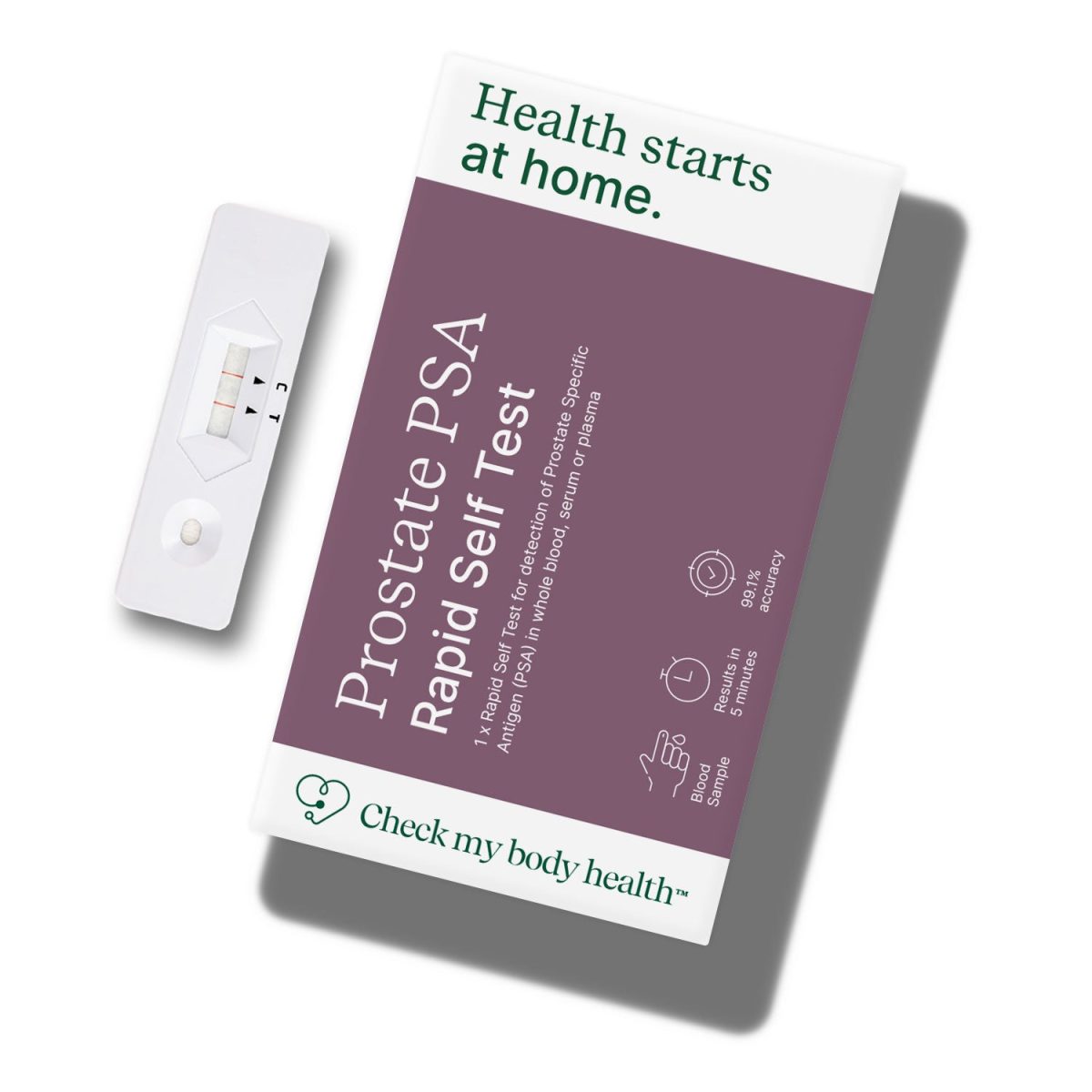
Prostate Specific Antigen

Used as a screening process for Prostate Cancer. A high total PSA level may mean there is an enlarged prostate gland. Although a rise in PSA is associated with an increased risk of prostate cancer, a number of benign (that is, not cancerous) conditions can also cause the PSA level to rise.

  • At-home test