Erectile dysfunction (ED) can be a sign of something deeper. A blood test helps uncover the root cause, so you can find a solution that works for you.
Why test your erectile dysfunction?
Erectile dysfunction is rarely just about sex. It's often the first warning sign for deeper health issues like heart disease, diabetes, or low testosterone. A simple blood test won't tell you if you have ED, but it can uncover what's really going on beneath the surface, giving you answers to why it may be happening. The sooner you know the cause, the sooner you can take control not just of your erections, but of your long-term health.
Detect potential health risks
- Low testosterone: Testosterone levels in men naturally begin to decline starting around age 30.2
- Cardiovascular disease: Men with erectile dysfunction are 59% more likely to have heart disease.3
- Stroke: Men with erectile dysfunction are 34% more likely to have a stroke.3
- Diabetes: Over 65% of men with diabetes have ED.4
How your blood test holds the answers
- Testosterone levels: Optimal levels of testosterone ensure healthy bodily functions. Lower levels of the hormone can impact libido, sexual function, energy, and mood.
- Heart disease: Erectile dysfunction can be an early warning sign of coronary heart disease. This test will help you to determine your risk and take action sooner.
- Cholesterol health: High cholesterol levels impact blood flow around the body and can therefore be a contributor to erectile dysfunction. This test will give you a clear picture of your levels.
Getting to the core of erectile dysfunction
In her role as Patient Support Manager for low testosterone, Samantha is dedicated to helping you with any questions or concerns you may have before and during your treatment. Samantha is a dedicated advocate for health and wellbeing, dedicated to empowering individuals to recognise and implement meaningful health improvements in their lives.
As a Patient Support Manager for low testosterone, Greg is dedicated to helping you with any questions or concerns you may have before and during your treatment. Greg's approach focusses on problem-solving, fostering strong relationships, and enhancing healthcare accessibility. Greg finds pride in being part of a team that empowers patients to achieve their optimal health.
Why should I take a blood test for ED?
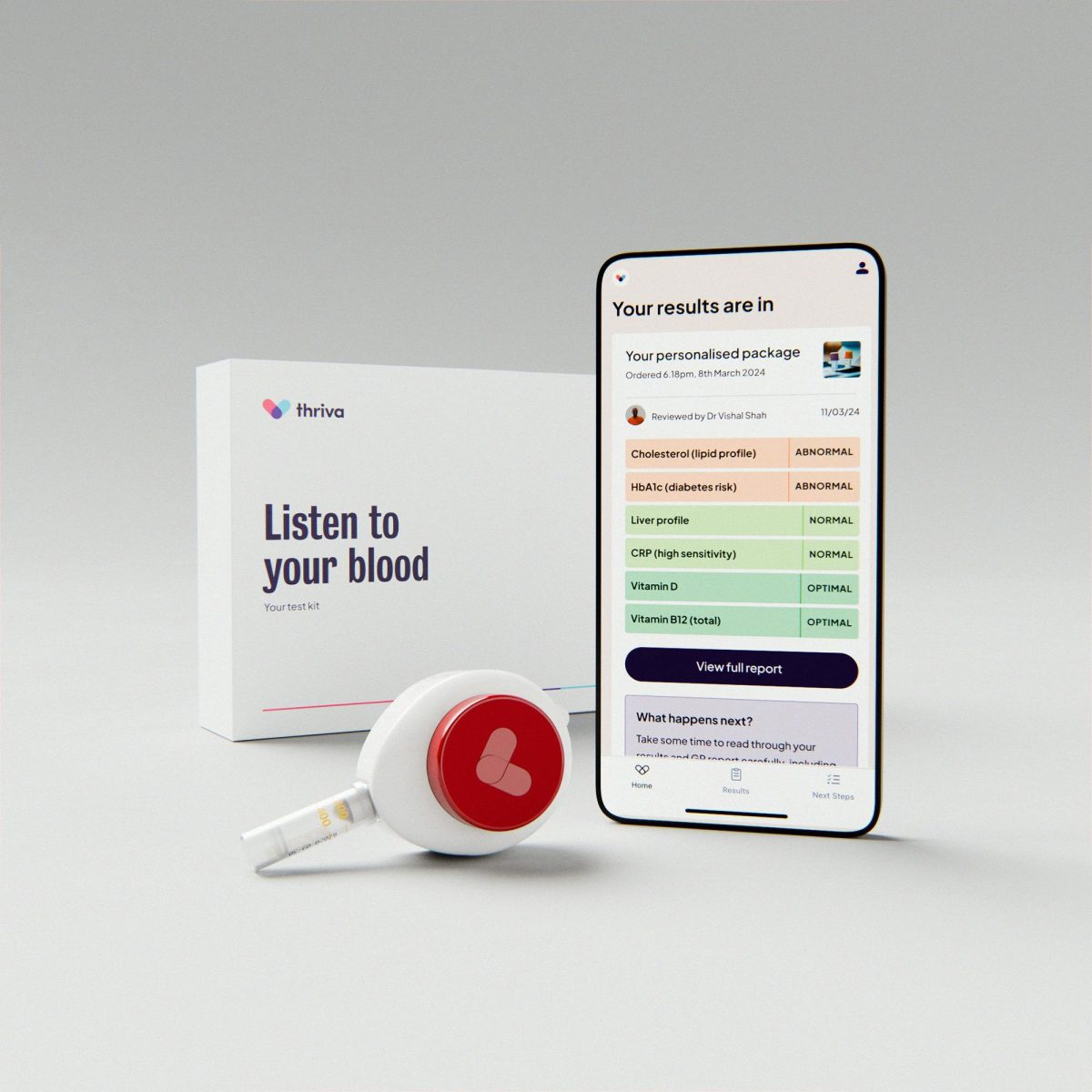
Erectile dysfunction can be an early warning sign of various health problems. A blood test checks key markers like cholesterol, blood sugar (HbA1c), and testosterone, which all play a role in circulation, hormone balance, and energy levels. Low vitamin D can also affect mood and wellbeing. By understanding these results, you and your clinician can get to the root cause of your ED and take steps to improve both your sexual health and your overall health.
Description provided by Numan.