Autoimmune Type 1 Diabetes and Coeliac Detection Panel
Type 1 Diabetes and Coeliac Disease are closely linked autoimmune conditions that can develop silently before symptoms appear.
- 4 biomarkers
- Results in 7 days
Worried that gluten might be affecting your health? If you've been experiencing symptoms like bloating, fatigue, or unexplained weight loss, our Coeliac Blood Test can help identify whether coeliac disease could be a concern.
2 biomarkers as listed by Medichecks.
Worried that gluten might be affecting your health? If you've been experiencing symptoms like bloating, fatigue, or unexplained weight loss, our Coeliac Blood Test can help identify whether coeliac disease could be a concern. It checks for specific antibodies linked to the body's immune response to gluten, helping to determine if you'd benefit from further confirmatory tests.
You must have been eating gluten-containing foods (with wheat, barley, or rye) in at least two meals per day for at least 6 weeks prior to testing.
Description provided by Medichecks.
This test belongs to our Coeliac test comparison group. See how it stacks up against equivalent tests from other providers.
Type 1 Diabetes and Coeliac Disease are closely linked autoimmune conditions that can develop silently before symptoms appear.
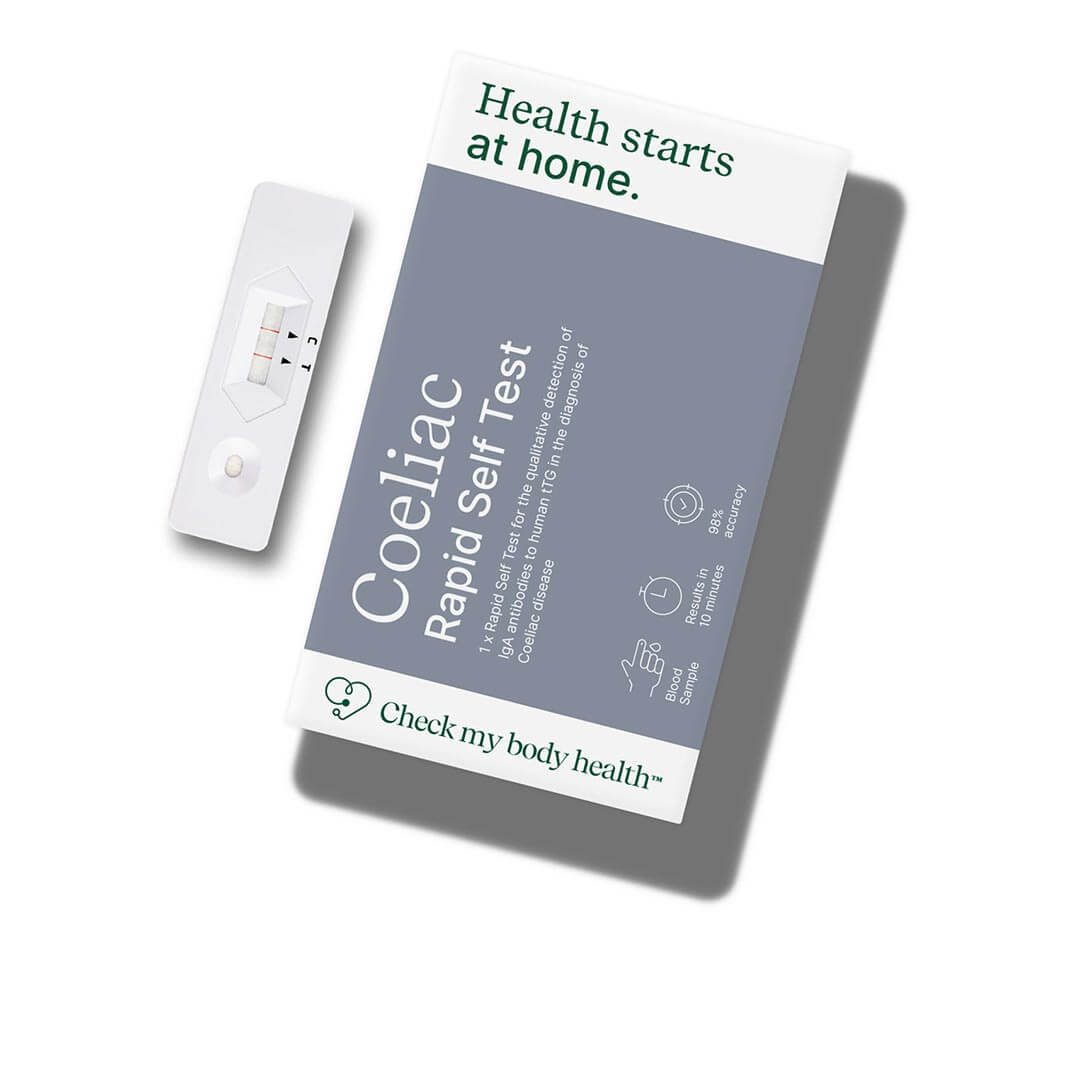
This test measures the level of transglutaminase antibody (tTG) in the blood. High tTG levels indicate coeliac disease, an autoimmune disorder in which gluten triggers an immune reaction that damages the gut and can affect many parts of the body.
Find ouf it you are Coeliac and have a gluten intolerance
Got gut symptoms and want to know if you have coeliac disease gluten sensitivity? Take a quick and easy blood test to find out.
Screening Test for Coeliac Disease
Understanding coeliac disease Coeliac disease is an autoimmune disorder in which the ingestion of gluten - a protein found in wheat, barley, and rye - triggers an immune response that damages the lining of the small intestine.
A test to determine your genetic predisposition to Coeliac Disease
A test to see if you are sensitive to Gluten.
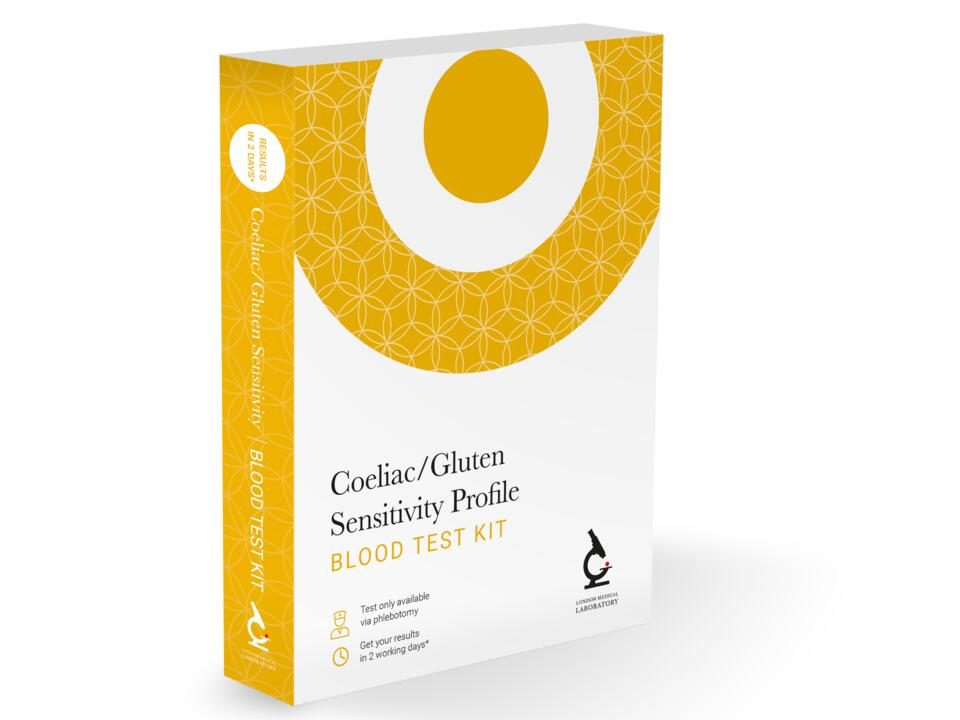
This test measures IgA and IgG antibodies, essential in helping to diagnose coeliac disease and gluten sensitivity. Due to the comprehensive scale of this profile a phlebotomy sample is needed.
Think it's probably irritable bowel syndrome but not sure? Before accepting a diagnosis of IBS, take our IBS test to check for the other common causes of gut symptoms.
This test measures the level of transglutaminase antibody (tTG) in the blood. High tTG levels indicate coeliac disease, an autoimmune disorder in which gluten triggers an immune reaction that damages the gut and can affect many parts of the body.
Understanding coeliac disease Coeliac disease is an autoimmune disorder in which the ingestion of gluten - a protein found in wheat, barley, and rye - triggers an immune response that damages the lining of the small intestine.
Type 1 Diabetes and Coeliac Disease are closely linked autoimmune conditions that can develop silently before symptoms appear.