Cholesterol (Lipid profile)
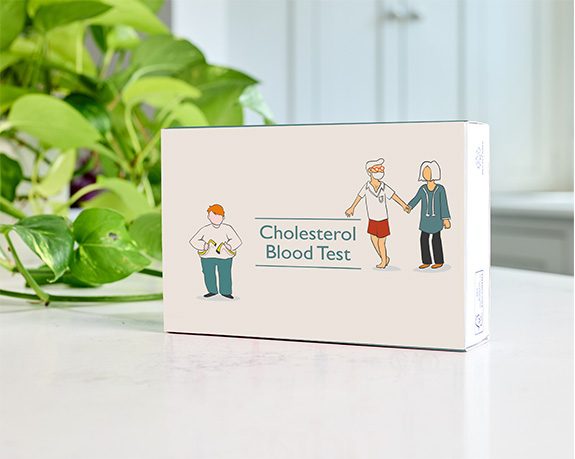
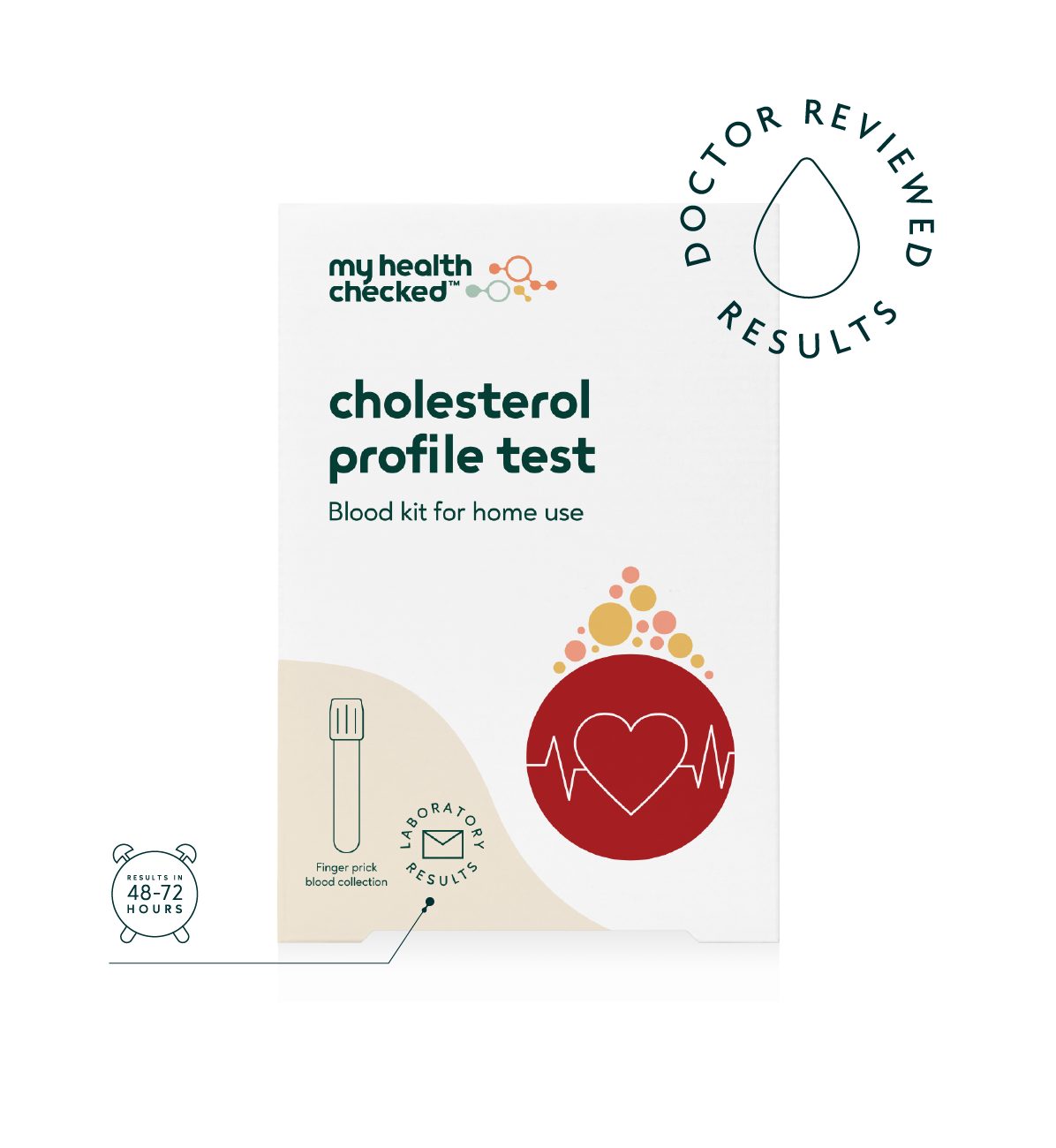
Get insights into your cholesterol levels with this blood test. Tests for 8 biomarkers including LDL, HDL, triglycerides and cholesterol ratios.
- At-home test
- Doctor reviewed
- 7 biomarkers
- Results in 2 days
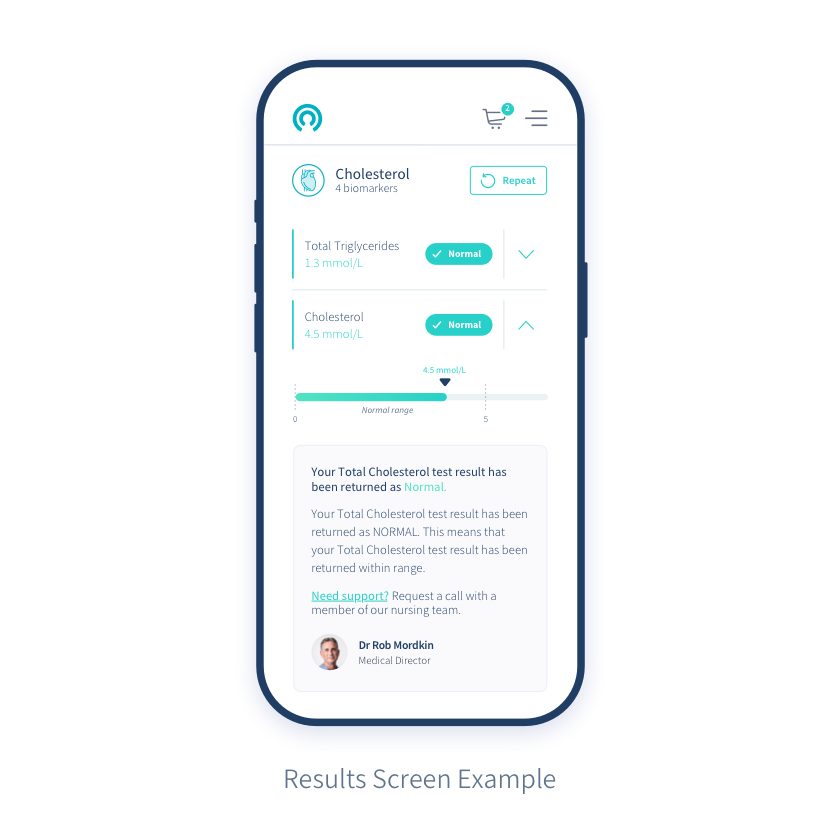
Simple at-home cholesterol blood test to assess heart disease risk. NHS laboratory analysis with clear, easy-to-understand results.
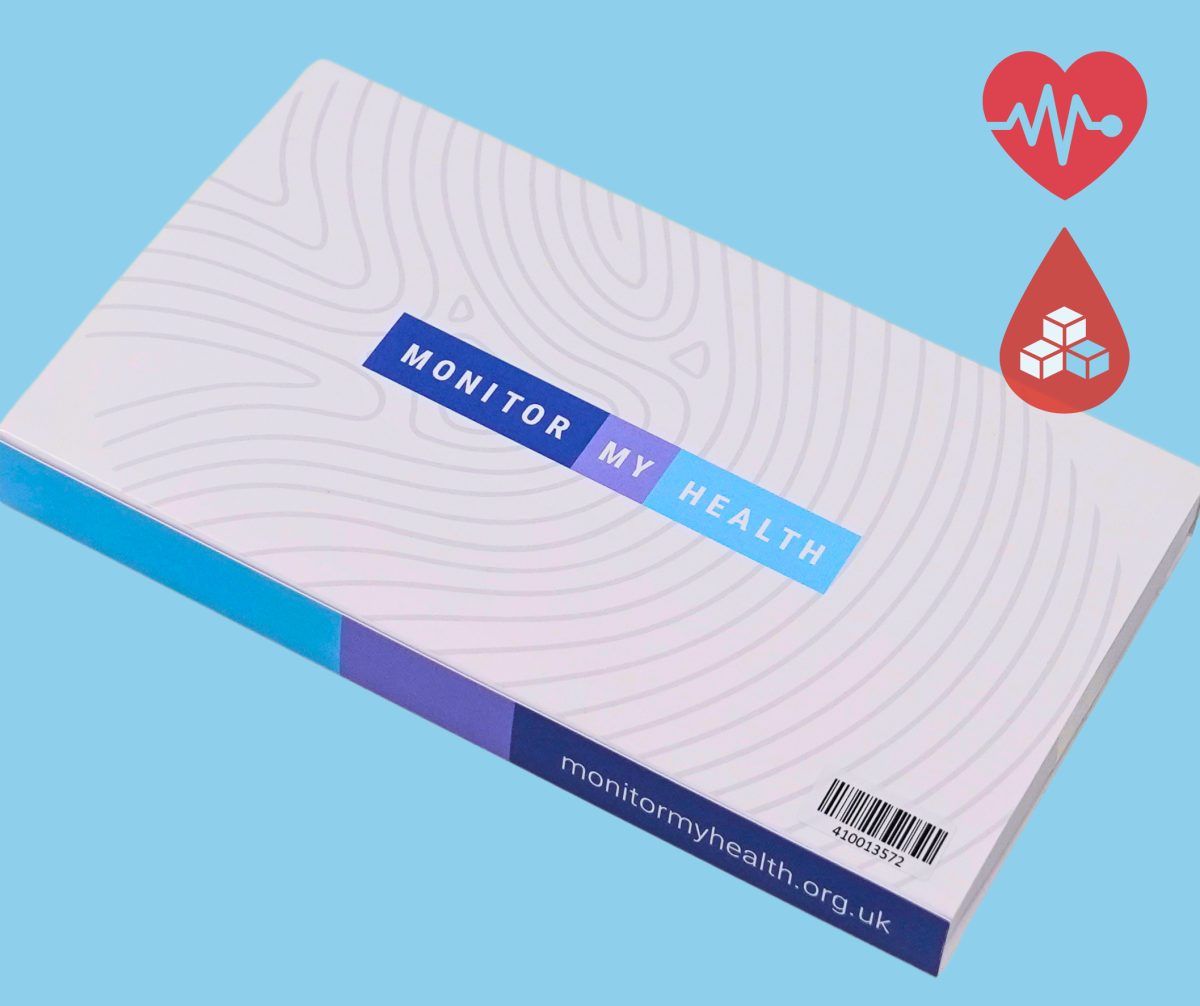
4 biomarkers as listed by Monitor My Health.
The cholesterol (lipid) profile has four component parts.
The lipid profiles includes:
Cholesterol is a fatty substance known as a lipid, and is important for the normal function of cells and organs in the body. It is also used to make hormones which are essential for reproduction, development and growth including Vitamin D.
Cholesterol is mainly produced by the liver and the cells of the intestinal wall, but intake can also be obtained from the diet. Having elevated cholesterol can increase the risk of developing vascular disease which may lead to serious health conditions such as atherosclerosis (clotted arteries), a blood clot, angina (arm or chest pain during physical activity), heart attack or stroke.
Lifestyle factors such as a poor diet with a high saturated fat intake, smoking, obesity and drinking large amounts of alcohol can increase the risk of developing serious health conditions including heart disease. Other health disorders such as diabetes mellitus (HbA1c test), high blood pressure, liver or kidney disease, hypothyroidism or a family history of heart disease or stroke can also contribute towards increasing the risk of developing cardiovascular disease (CVD).
There is an inherited condition which runs in families, which can cause high cholesterol even in patients who have a healthy lifestyle and diet. This is called familial hypercholesterolaemia (FH).
Some factors which cause high cholesterol cannot be changed; these are called 'non-modifiable' risk factors. These include:
Having a high cholesterol or triglyceride result, or having an abnormal lipoprotein fraction more often than not will not have any outwards signs or symptoms.
Risk factors to consider are:
This is a non-fasting lipid test, so you do not need to fast. However, for the most consistent results, we recommend taking the test in the morning, before eating and before taking supplements on the day of testing. Recent meals can temporarily affect triglyceride levels.
Drinking water is encouraged before your test. Being well hydrated can make it easier to collect your blood sample and does not affect your results.
Important: these tests are available for people aged over 18 only. Please collect and post your sample to us Monday-Thursday, to avoid delays over the weekend. In a small number of cases, it may not always be possible to provide a result, please see our terms and conditions for details.
ROYAL MAIL TRACKED 24 SAMPLE RETURN INCLUDED
Triglycerides are fats made by the liver and are also a type of fat found in the diet. These foods include dairy products, meat and cooking oils.
Triglycerides increase in the blood after eating a meal, and slowly reduce over a few hours after eating.
The role of triglycerides in the body are as a source of energy for cells, tissues and organs, or as fat storage.
Triglyceride concentrations are important as they can be used as an independent risk factor for the diagnosis and treatment of cardiovascular disease. Very high triglyceride levels may also confer a risk for the development of acute pancreatitis.
High-density lipoproteins are also known as 'good cholesterol' as they protect against heart disease, so the higher the HDL-cholesterol levels, the better. Low HDL-cholesterol concentrations, especially paired with high levels of triglycerides increase the risk of heart disease.
Non-HDL cholesterol is a calculated result using total cholesterol minus HDL-cholesterol which is 'good cholesterol'. This final number represents all the 'bad cholesterol' together and should be less than 4 mmol/L and is the best individual risk factor.
Non-HDL cholesterol is not the same as LDL cholesterol. Non-HDL cholesterol is a measure of all types of "bad" cholesterol which includes LDL cholesterol. We do not measure or calculate LDL cholesterol as part of the total cholesterol test. Accurate measurement of LDL cholesterol requires that the sample is taken whilst fasting which we do not recommend for our testing service.
It is possible to calculate LDL cholesterol from Cholesterol, HDL and Triglycerides. There are some online calculators available e.g. www.mdcalc.com/ldl-calculated. However, the LDL calculation will only be accurate if the sample was taken whilst fasting and if the triglycerides were less than 4.5 mmol/L.
We do not recommend that you fast before taking our total cholesterol test. Fasting will have very little effect on total cholesterol, HDL Cholesterol or non-HDL cholesterol. Fasting may lead to a small reduction in triglyceride levels, usually no more than 0.3 mmol/L.
If your results show Intermediate risk:
We recommend making lifestyle and diet changes which may help lower bad cholesterol and increase good cholesterol. Heart UK has an ultimate cholesterol lowering plan which is based on scientific evidence and includes some changes even for those who feel they already have a healthy diet and lifestyle. Please see: https://www.heartuk.org.uk/ultimate-cholesterol-lowering-plan/uclp-introduction
If you results show High risk:
We recommend that you make an appointment to see your doctor to discuss your results as soon as possible.
Total Cholesterol:
5.0 or below = Target level
5.1-8.9 = Intermediate risk
9.0 or above = High risk
Non-HDL Cholesterol:
4.0 or below = Target level
4.1-7.5 = Intermediate risk
7.6 or above = High risk
High Density Lipoprotein (HDL) cholesterol (Female):
Below 1.2 = High risk
1.2 or above = Target level
High Density Lipoprotein (HDL) cholesterol (Male):
Below 1.0 = High Risk
1.0 or above = Target level
Triglycerides:
2.2 or below = Target level
2.3-4.4 = Low-Intermediate risk
4.5-9.9 = Intermediate risk
10.0 or above = High risk
We do not currently offer testing for lipoprotein(a), advanced particle subtypes, ApoB or ApoA1.
Total cholesterol is made up of HDL cholesterol and non-HDL cholesterol. HDL is considered "good" cholesterol and non-HDL is considered "bad" cholesterol. It is important to bear in mind that cholesterol levels are only one part of your cardiovascular risk. You can calculate your overall cardiovascular risk using the QRISK3 tool: https://qrisk.org/three/
This includes other important aspects such as blood pressure and lifestyle factors. If you are at all concerned then we would recommend discussing the results with your doctor.
Description provided by Monitor My Health.
This test belongs to our Cholesterol and lipid profile comparison group. See how it stacks up against equivalent tests from other providers.
Get insights into your cholesterol levels with this blood test. Tests for 8 biomarkers including LDL, HDL, triglycerides and cholesterol ratios.
Tracking your cholesterol levels tells you how your body is handling fats and is an important risk factor for developing heart disease, stroke and dementia.
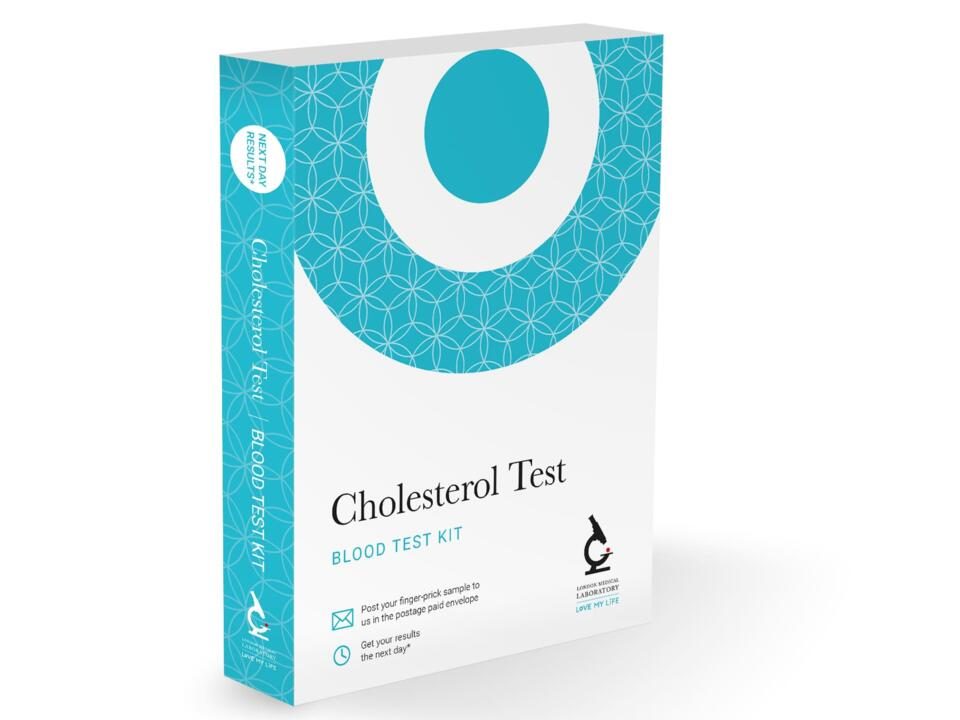
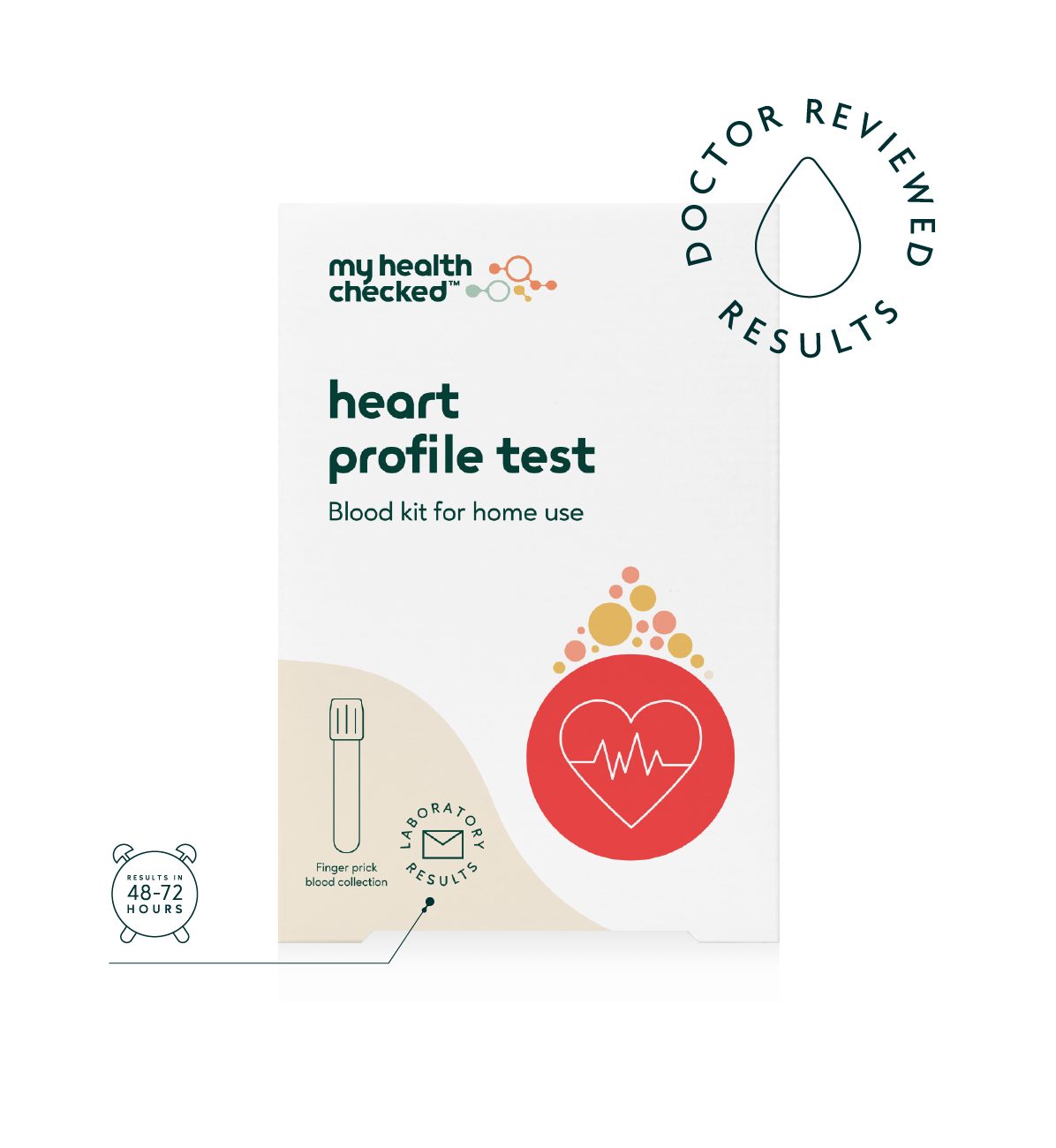
Take control of your heart health with our at-home Cholesterol Blood Test. This quick finger-prick test provides a breakdown of your cholesterol levels, giving you insights to reduce your heart disease risk.
Be proactive now to avoid problems later down the line. Track your heart health with a regular at-home blood test. It measures your cholesterol levels and can help to identify early signs of heart disease.
This profile gives a complete picture of your cholesterol levels. High levels dramatically increase your risk of a heart attack and strokes.
This at-home test will provide you with a comprehensive wellness profile, measuring key biomarkers related to your cholesterol to help you identify any areas that need attention.
Cholesterol testing to help monitor your cardiovascular health. Collect your sample at home and get fast online lab results in 2 to 5 days.
Take control of your metabolic health with this simple finger-prick blood test. Designed to give you a comprehensive overview of key health markers, it assesses your risk of diabetes and heart disease - similar to the NHS Health Check.
Test for key health indicators related to erectile dysfunction, and get GP advice on what action you can take.
At-home blood test measuring cholesterol and key cardiovascular markers. Trusted NHS laboratory analysis for peace of mind.
Protecting your heart starts with understanding your risks. This test assesses key markers linked to cardiovascular health, helping you identify potential warning signs before they become serious.
Analyse some of the most important risks to your heart health. High Cholesterol, diabetes and generalised inflammation all dramatically increase the risks of future heart attacks.
High cholesterol can increase your risk of heart disease and stroke - but the good news is, it's something you can take control of.
A test for men and women concerned about their heart health.
A test for men and women concerned about their heart health.
This at-home test will measure key indicators of your heart health, such as your cholesterol and blood sugar (glucose) levels, that can be used to assess your cardiovascular health.
Essential lipid assessment for heart disease risk
Cholesterol testing to help monitor your cardiovascular health. Collect your sample at home and get fast online lab results in 2 to 5 days.
Take control of your heart health with our at-home Cholesterol Blood Test. This quick finger-prick test provides a breakdown of your cholesterol levels, giving you insights to reduce your heart disease risk.
Take control of your metabolic health with this simple finger-prick blood test. Designed to give you a comprehensive overview of key health markers, it assesses your risk of diabetes and heart disease - similar to the NHS Health Check.
Protecting your heart starts with understanding your risks. This test assesses key markers linked to cardiovascular health, helping you identify potential warning signs before they become serious.