Three reasons the Stockholm3 Prostate Cancer Test is right for you
- This advanced test provides a more accurate assessment of prostate cancer risk than standard PSA testing
- It combines biomarkers, genetic data, and clinical information to detect clinically significant prostate cancer early
- Results help reduce unnecessary investigations while identifying men who may need further testing
What is the Stockholm3 Prostate Cancer Test?
The Stockholm3 test is an advanced blood test designed to assess your risk of clinically significant prostate cancer. Unlike traditional screening methods that rely solely on PSA levels, Stockholm3 combines multiple biomarkers, genetic risk factors, and clinical data such as age and family history.
This comprehensive approach improves the accuracy of prostate cancer detection, helping to identify aggressive cancers while reducing unnecessary MRI scans and biopsies.
This test is often recommended for:
- Men aged 45 and over
- Individuals with a family history of prostate cancer
- Men with urinary symptoms or previous elevated PSA levels
- Those seeking a more accurate and proactive approach to prostate health
What are the symptoms that may prompt this test?
Prostate cancer often develops without symptoms in its early stages, but possible signs can include:
- Needing to urinate more frequently, especially at night
- Difficulty starting or maintaining urine flow
- Weak or interrupted urine stream
- Feeling that the bladder has not fully emptied
- Blood in urine or semen
- Pain during urination or ejaculation
These symptoms are often caused by non-cancerous conditions, but it is important to investigate them further with appropriate testing.
How does the Stockholm3 test work?
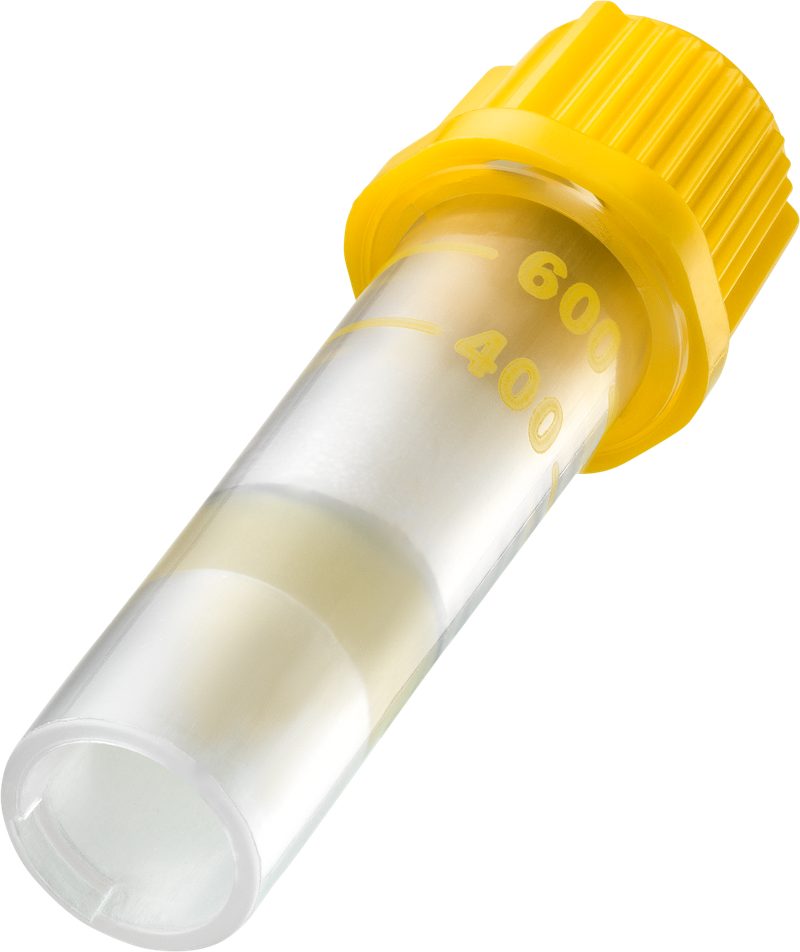
The test requires a simple blood sample taken at your appointment. Your sample is analysed in a specialised laboratory where multiple protein biomarkers, genetic markers, and clinical data are assessed together.
The Stockholm3 algorithm combines:
- PSA and additional protein biomarkers such as Free PSA, PSP94, GDF15, and KLK2
- Genetic risk markers associated with prostate cancer
- Clinical factors including age, family history, and previous biopsy results
This information is used to calculate your personalised risk of clinically significant prostate cancer and determine whether further investigation is recommended.
What can I expect at my appointment?
Your appointment involves a standard blood draw performed by a trained healthcare professional. The procedure is quick, safe, and minimally invasive.
Once your sample has been analysed, your confidential results will be uploaded to your secure online Patient Area. A member of the Patient Services team will notify you when your results are ready.
Are there any risks with this test?
This is a routine blood test and is very safe. Most people experience only mild discomfort during the blood draw.
Minor bruising or tenderness at the needle site may occur, but serious complications are extremely rare.
How do I schedule my appointment?
To book your Stockholm3 Prostate Cancer Test, click the "Book Now" button at the top of the page or call our Patient Services team. We will help you arrange a convenient appointment at a clinic near you.
Description provided by Better2Know.