Test specifications
- Sample type
- blood
- Collection method
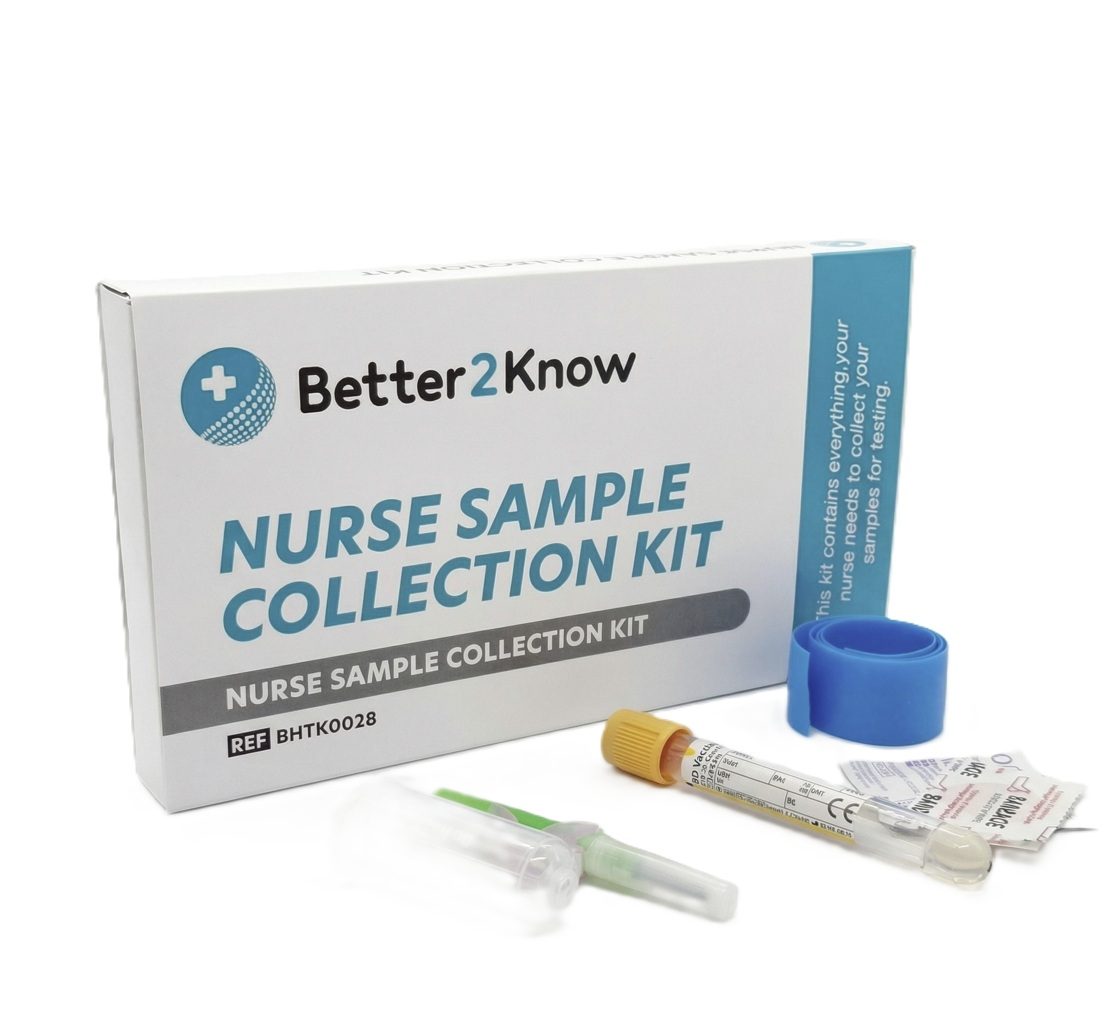
- at-home finger-prick or nurse-taken venous sample (£60 extra)
- Turnaround time
- 2 days
- Biomarkers tested
- 21
- At-home test
- Yes
- Doctor reviewed
- Yes
- Gender focus
- Both
What's tested
21 biomarkers as listed by Thriva.
Advanced Lipid Profile (with Apolipoproteins)
- ApoB/apoA1 ratio
- Cholesterol
- Total Cholesterol/HDL Ratio
- Triglyceride/HDL ratio
Cholesterol status
- Apolipoprotein A1
- Apolipoprotein B
- HDL cholesterol
- LDL cholesterol
- Non-HDL cholesterol
- Triglycerides
Liver Biochemistry Profile
- Alanine transferase
- Alkaline phosphatase
Proteins
- Albumin
- Globulin
- Total protein
About this test
How can a cholesterol blood test help you?
Cholesterol is a type of fat found in your cells. It's essential for making hormones, vitamin D, and bile. But if your cholesterol is too high, it might increase your risk of heart disease.
There are no symptoms of high cholesterol, so you can only get insight into your cholesterol levels with a blood test. And when high cholesterol goes unchecked, it can affect your heart health. We recommend taking this test every 3 months if you have high cholesterol.
There are a number of things that can raise your cholesterol levels:
- eating foods high in saturated fats and trans fats
- a genetic condition called familial hypercholesterolaemia - your body can't remove LDL cholesterol
- lack of exercise
- smoking
- drinking too much alcohol
Combined with a GP report and advice, we help you understand how to improve or maintain your cholesterol levels.
What's covered in this blood test?
- Cholesterol profile and apolipoproteins: Cholesterol and apolipoproteins make up the fats and proteins that carry them in your blood. Combining both gives you more accurate insights into your heart disease risk.
- HbA1c (diabetes): An HbA1c test helps you learn about your average blood sugar levels over the last 3 months. Knowing this information can help indicate your risk of pre-diabetes and diabetes.
- CRP (high sensitivity): A CRP test checks for acute or chronic inflammation - a strong risk factor for heart disease. A raised CRP level is also linked to diabetes, obesity, high blood pressure, and some cancers.
- Liver function: High cholesterol might increase your risk of developing non-alcoholic fatty liver disease. This is when fat builds up around your liver, causing inflammation. This test checks your liver function, signs of inflammation, and damage.
- Creatinine (kidney function): Your creatinine levels help indicate your kidney function. Your heart and kidneys are closely linked. Unhealthy kidneys put you at greater risk of heart disease, and the biggest causes of kidney disease are diabetes and high blood pressure, both of which affect your heart.
Description provided by Thriva.