£135.00
Full review →
PLAC Activity
The PLAC Activity test measures an enzyme called Lp-PLA2 in the blood. Elevated levels of Lp-PLA2 increase the risk of heart attack and stroke, irrespective of any other risk factors.
- Sample
- Blood
- Collection
- Venous draw at local venue
- Results in
- 3–8 days
- Biomarkers
- 1
- Doctor reviewed
- No
Tests for
- Lp-PLA2 (PLAC activity)
Test specifications
- Provider
- Bluecrest Wellness
- Sample type
- blood
- Collection method
- venous draw at local venue
- Turnaround time
- 3–8 days
- Biomarkers tested
- 1
- At-home test
- No
- Doctor reviewed
- No
- Gender focus
- Both
What's tested
1 biomarker as listed by Bluecrest Wellness.
- Lp-PLA2 (PLAC activity)
About this test
The PLAC Activity test measures an enzyme called Lp-PLA2 in the blood. Elevated levels of Lp-PLA2 increase the risk of heart attack and stroke, irrespective of any other risk factors.
A PLAC blood test is a beneficial test that can be used to determine your risk of heart disease and other cardiovascular conditions. Referred to as a PLAC A2 (LP-PLA2) test, this simple blood test helps to detect a buildup of plaque in the arteries. Accumulation of plaque on the arterial walls can increase the risk of developing certain heart problems.
Our private PLAC Test is a quick, easy and accurate way to check on your heart health and assess your risk of heart disease. The PLAC (LP-PLA2) test can be added to and carried out as part of our full body health check packages.
Explore our packages and book your PLAC Activity Test today.
What is a PLAC Activity Test?
A PLAC Activity Test gives you an insight into the health of your circulatory system without the need for invasive procedures. This simple blood test measures the amount of A2 (LP-PLA2) enzyme in the blood in order to assess stroke or heart disease risk.
The A2 (LP-PLA2) enzyme is seen as a marker for inflammation in the blood vessels indicating a possible increase in plaque in the arteries. Plaque is a buildup of cholesterol, fatty substances, and cellular waste that can line the artery walls. The plaque then hardens, which can restrict blood flow, but it can also rupture. Either way, it is important to monitor plaque buildup and evaluate heart disease risk, so that you can act now and prevent disease progression.
The PLAC Activity Test differs from other heart health tests, such as cholesterol tests and blood pressure checks, as it measures the amounts of an enzyme which provides specific information about arterial plaques. Combining the A2 (LP-PLA2) test in conjunction with blood pressure, cholesterol, and glucose testing will offer a comprehensive overview of your cardiovascular health.
Why take a PLAC Activity Test?
If you are concerned about your arterial health and would like to find out if you are at risk of heart disease, a PLAC Test can provide peace of mind or identify issues. PLAC Tests are a non-invasive way to assess whether you need to make diet and lifestyle changes in order to protect your cardiovascular system.
Signs of plaque can start to appear in individuals as early as in their 20s or 30s. Though at this stage plaque is unlikely to cause any issues. As the plaque builds up this can develop into the disease atherosclerosis. This disease is a narrowing of the arteries, which impairs blood flow and increases risk of heart attack and stroke.
Here are a few common risk factors involved in the buildup of plaque and development of atherosclerosis:
- High blood pressure
- Diabetes
- Metabolic syndrome
- High cholesterol levels
- Unhealthy diet
- Physically inactive
- Smoking
- Drinking alcohol (more than the recommended number of units)
- Genetics (an inherited cholesterol disorder increases the risk)
- Age (risk increases after the ages of 45-55)
Taking a private PLAC blood test could help to uncover potential heart health problems such as narrowing of the arteries and heart disease risk. Identifying plaque build- up in its initial stages can lead to early intervention and better health outcomes.
Description provided by Bluecrest Wellness.
More in Heart & cholesterol
View all →
Heart Health Home Blood Test Kit
Check your heart health with this at-home Heart Health Blood Test. The heart health check measures key markers like total cholesterol, HDL, LDL, and triglycerides, providing vital insights into your heart health.
- At-home test
£76.00
Full review →
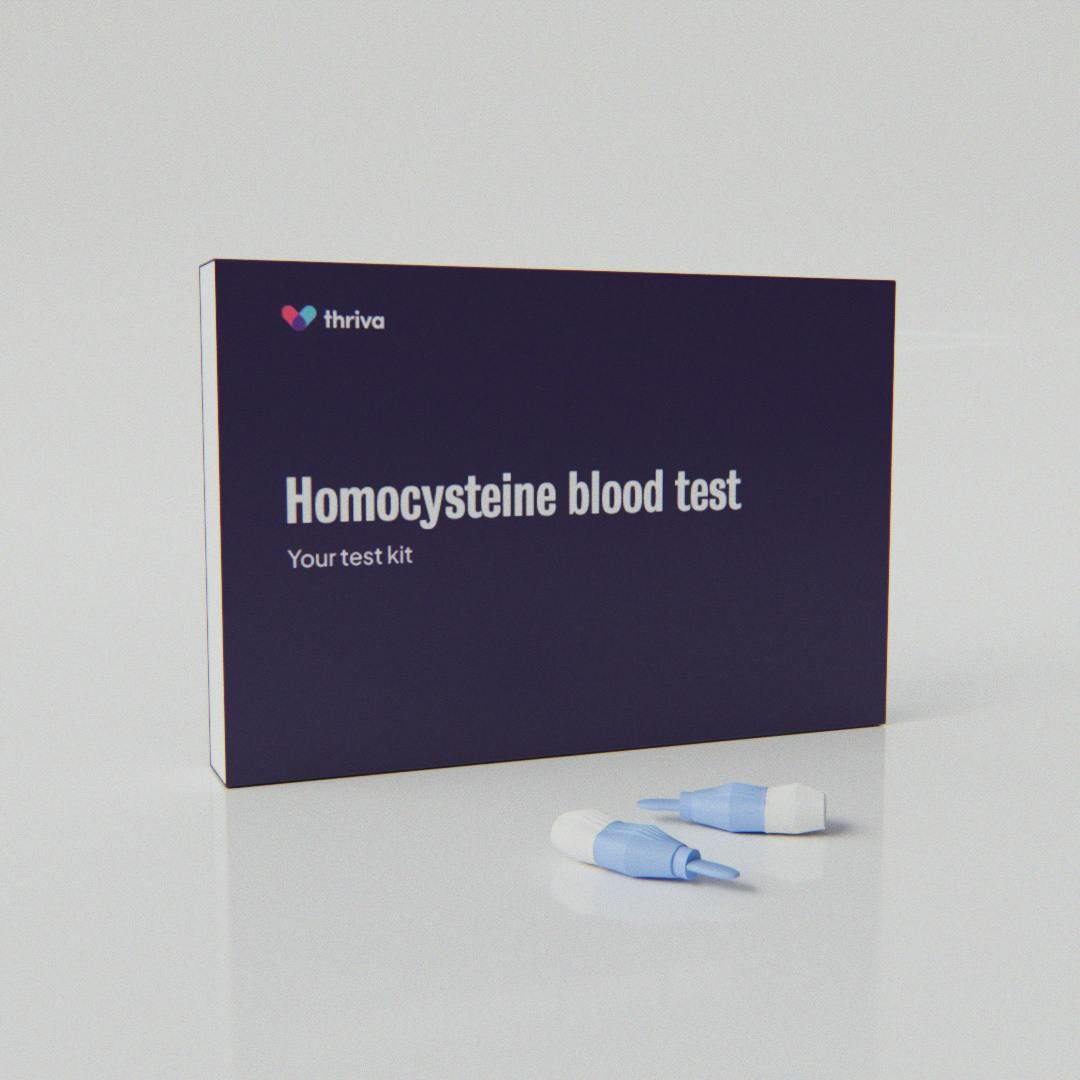
Homocysteine Test
Check your homocysteine levels with this simple at-home blood test. Elevated homocysteine can be linked to deficiencies in vitamins B12, B6, or folate, and may be associated with an increased risk of heart disease, stroke, and certain other conditions.
- At-home test
£133.00
Full review →
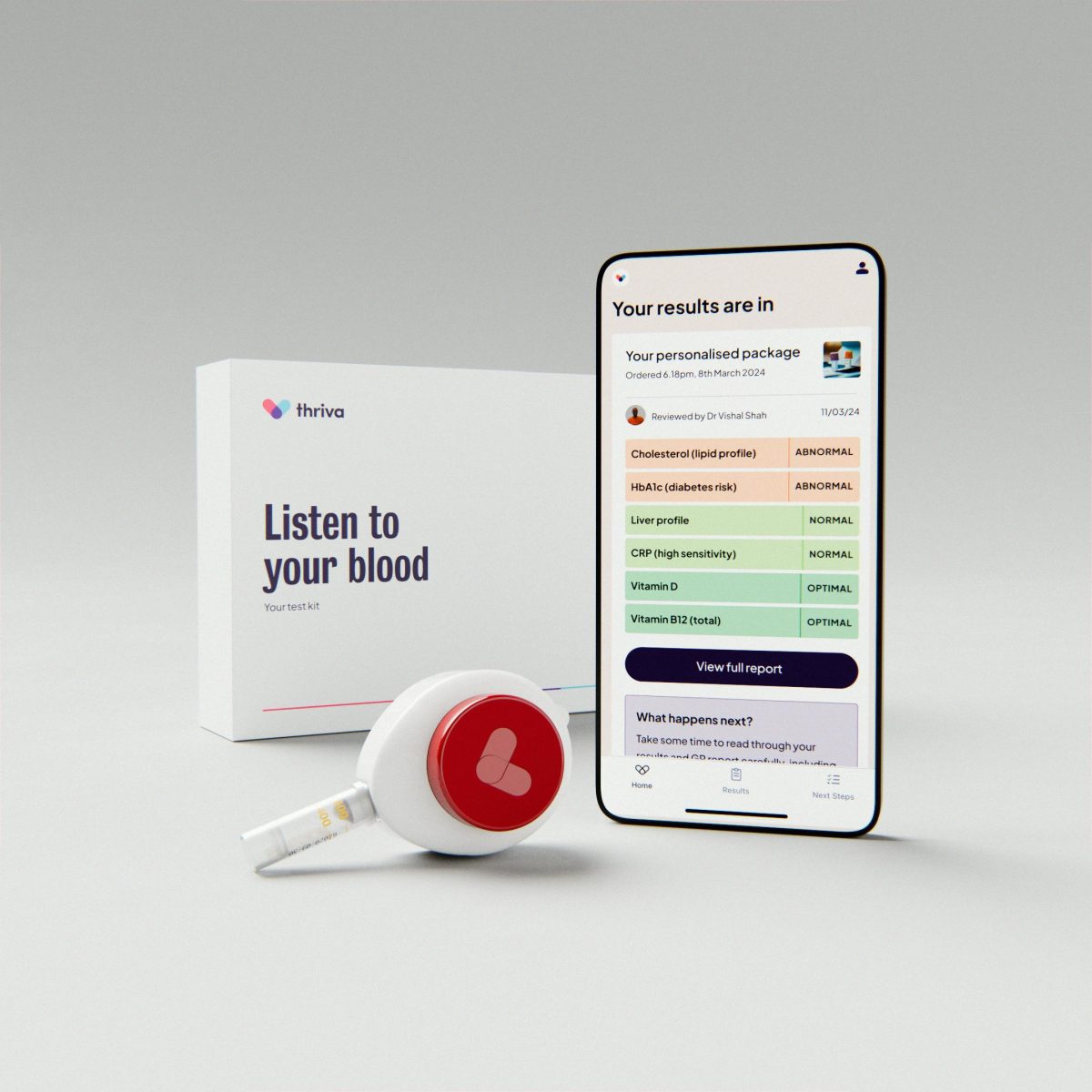
Lp(a) Cardiovascular Risk Profile
Our most comprehensive heart health assessment, measuring what standard tests miss. Features advanced markers Lipoprotein(a) - a genetic risk factor for heart disease - and ApoB, a strong predictor of heart disease risk.
- At-home test
£108.00
Full review →