Advanced Diabetes (HbA1c)
While a glucose test measures blood glucose levels at one moment in time, a HbA1c test gives a picture of the average amount of glucose in the blood over the last few months.
- 1 biomarkers
- Results in 3–8 days
The preferred diagnostic test for diabetes
1 biomarker as listed by Blue Horizon Medicals.
The HbA1c (glycosylated haemoglobin) concentration represents the average blood glucose level over the previous several weeks.
This is more advanced than a simple blood glucose test, which gives a snapshot view only. Glucose attaches itself to the red blood cells, and as these red cells exist for around 8-12 weeks, knowledge of the amount of glucose attached can provide an idea of the level of sugar in your blood in recent weeks.
Knowing this background level of glucose is important if you're looking to monitor or diagnose type 2 diabetes. This test also aids in understanding how well controlled blood sugar levels are being managed for people who already have been diagnosed with diabetes.
Pay £4 more and upgrade to a Diabetes, Kidneys and Cholesterol Check, which tests HbA1C and 13 other biomarkers.
Description provided by Blue Horizon Medicals.
This test belongs to our HbA1c test comparison group. See how it stacks up against equivalent tests from other providers.
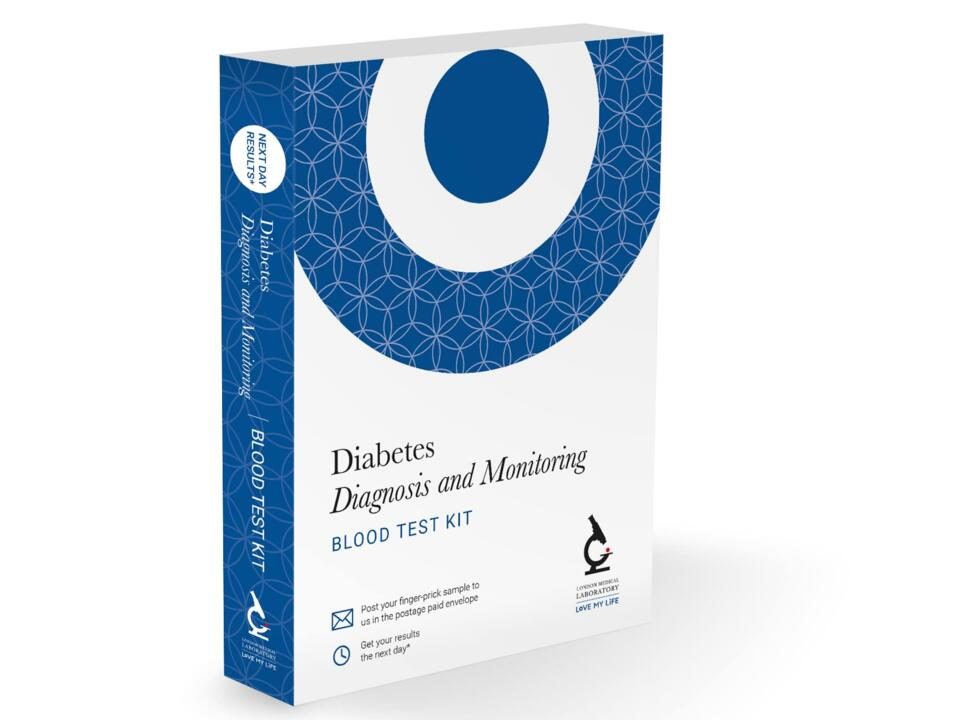
While a glucose test measures blood glucose levels at one moment in time, a HbA1c test gives a picture of the average amount of glucose in the blood over the last few months.
This test checks whether you have diabetes - or your control if you do. HbA1c is the gold standard test for diabetes diagnosis or monitoring.
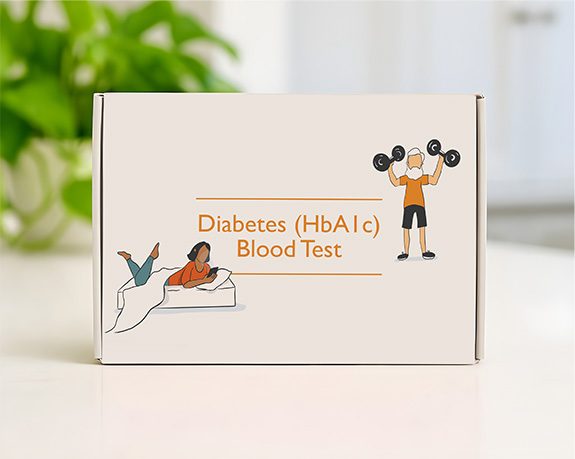
Take control of your health with the Diabetes (HbA1c) Blood Test, designed to measure your average blood sugar levels over the past 12 weeks.
Tracking how your body is handling blood sugar over time with HbA1c is one of the most important tests you can do to understand your metabolic health.
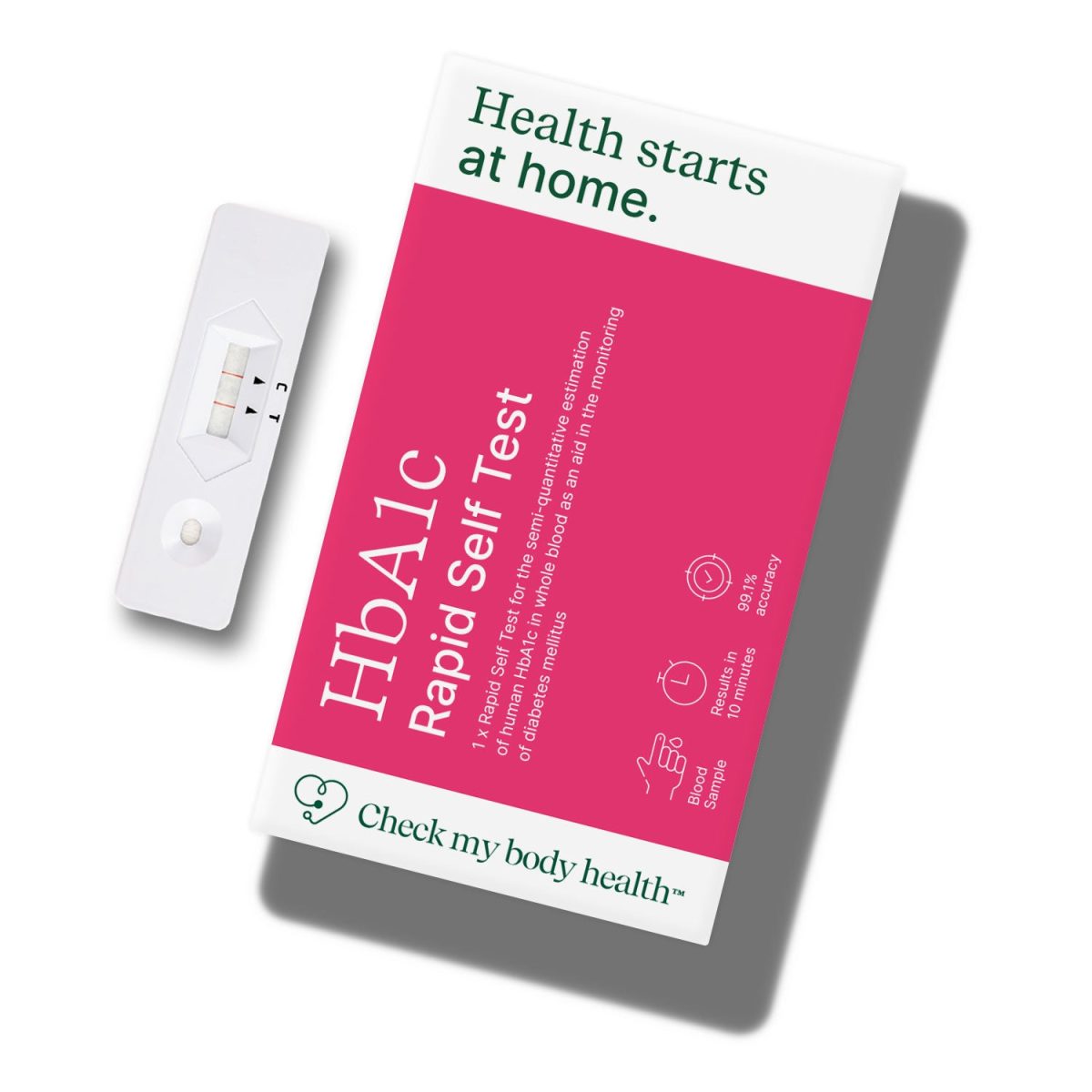
At-home HbA1c blood test measuring average blood sugar levels. NHS laboratory analysis without the need for a GP appointment.
Our Driver's Lifestyle Blood Test is designed for those who spend long hours on the road. It checks key markers to identify issues like fatigue, stress, or early signs of chronic conditions.
Our HbA1c blood test measures average blood glucose levels over a 10-12 week period. Gain accurate data on the amount of sugar in your diet and reduce your risk of type 2 diabetes.
An HbA1c blood test measures your average blood glucose control over the last 3 months - so you can check your overall diabetes risk.
Monitoring your HbA1c levels is essential for managing and understanding your long-term blood glucose control. An HbA1c test measures the percentage of sugar attached to your hemoglobin, providing a clear picture of your average blood glucose over the past two to three months.
Take control of your health with the Diabetes (HbA1c) Blood Test, designed to measure your average blood sugar levels over the past 12 weeks.
Our Driver's Lifestyle Blood Test is designed for those who spend long hours on the road. It checks key markers to identify issues like fatigue, stress, or early signs of chronic conditions.
While a glucose test measures blood glucose levels at one moment in time, a HbA1c test gives a picture of the average amount of glucose in the blood over the last few months.
Monitoring your HbA1c levels is essential for managing and understanding your long-term blood glucose control. An HbA1c test measures the percentage of sugar attached to your hemoglobin, providing a clear picture of your average blood glucose over the past two to three months.