Heart Disease and Inflammation Test
A high sensitivity test for the C Reactive Protein which measures inflammation.
Lipoprotein (a) or Lp(a) is a genetic variant of LDL cholesterol that acts as an independent risk factor for cardiovascular disease
Lipoprotein(a), commonly written as Lp(a), is a genetically inherited form of LDL cholesterol that plays a distinct role in cardiovascular disease risk. Elevated Lp(a) levels are linked to a higher likelihood of developing conditions such as atherosclerosis, heart attack, stroke, and narrowing of the aortic valve. Unlike other cholesterol markers, Lp(a) levels are driven mainly by genetics rather than lifestyle factors like diet or physical activity.
Lp(a) consists of a standard LDL particle combined with a protein called apolipoprotein(a), or apo(a). This combination creates a particle that tends to adhere to blood vessel walls, encouraging plaque formation, inflammation, and abnormal clotting. A simple blood test can measure Lp(a), and clinicians often request it when someone has early-onset heart disease or a strong family history of cardiovascular problems.
What Lp(a) Is and How It Works
Why Lp(a) Matters
When Testing May Be Helpful
Description provided by Better2Know.
A high sensitivity test for the C Reactive Protein which measures inflammation.
A test for men and women concerned about their heart health.
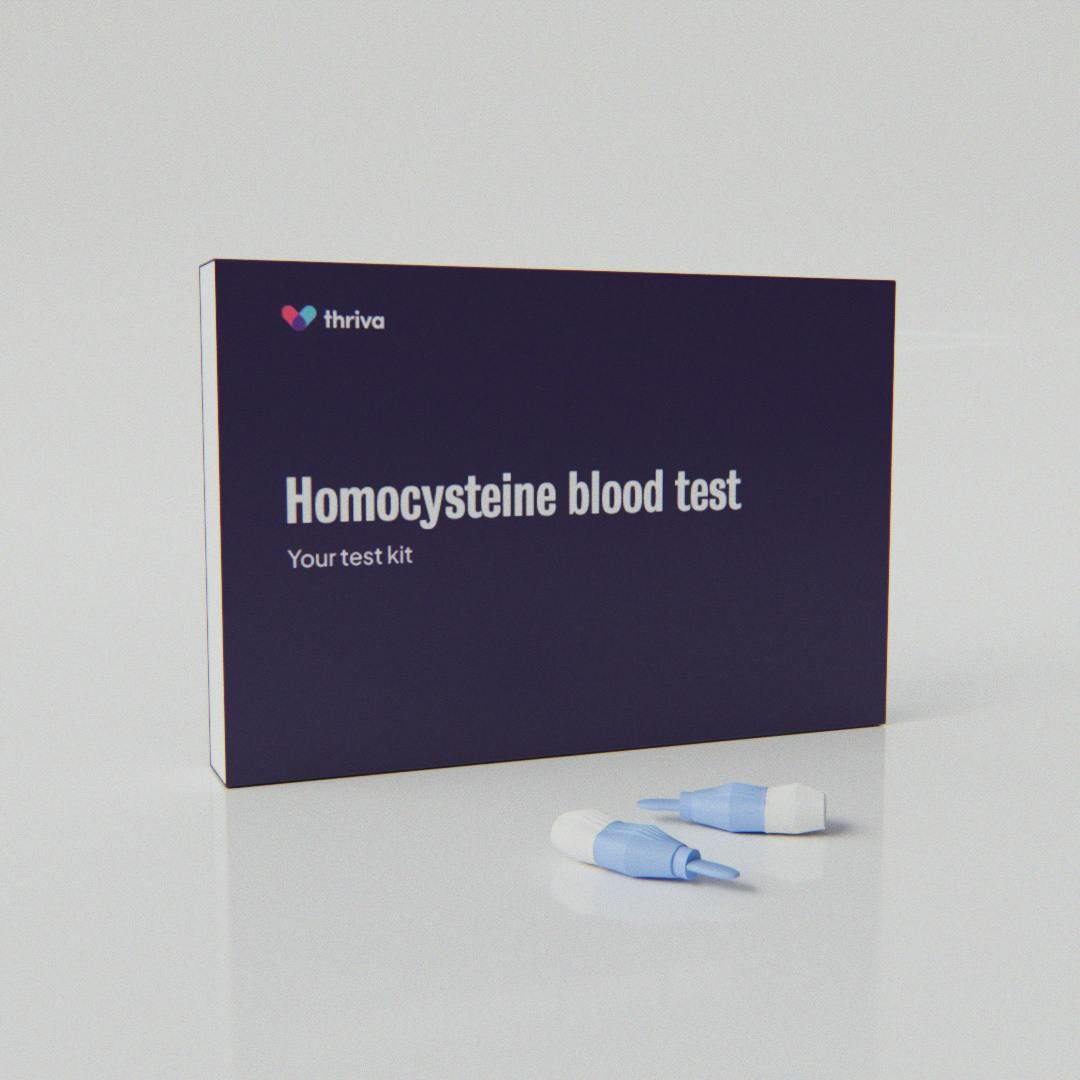
Check your homocysteine levels with this simple at-home blood test. Elevated homocysteine can be linked to deficiencies in vitamins B12, B6, or folate, and may be associated with an increased risk of heart disease, stroke, and certain other conditions.
Gain a real understanding of the rhythm, rate, and electrical activity of your heart with an ECG. An ECG can help you identify a number of heart related problems, including arrhythmias, coronary heart disease, heart attacks, and cardiomyopathy.